Ekhaya FC’s First Win of the Campaign Analyzed
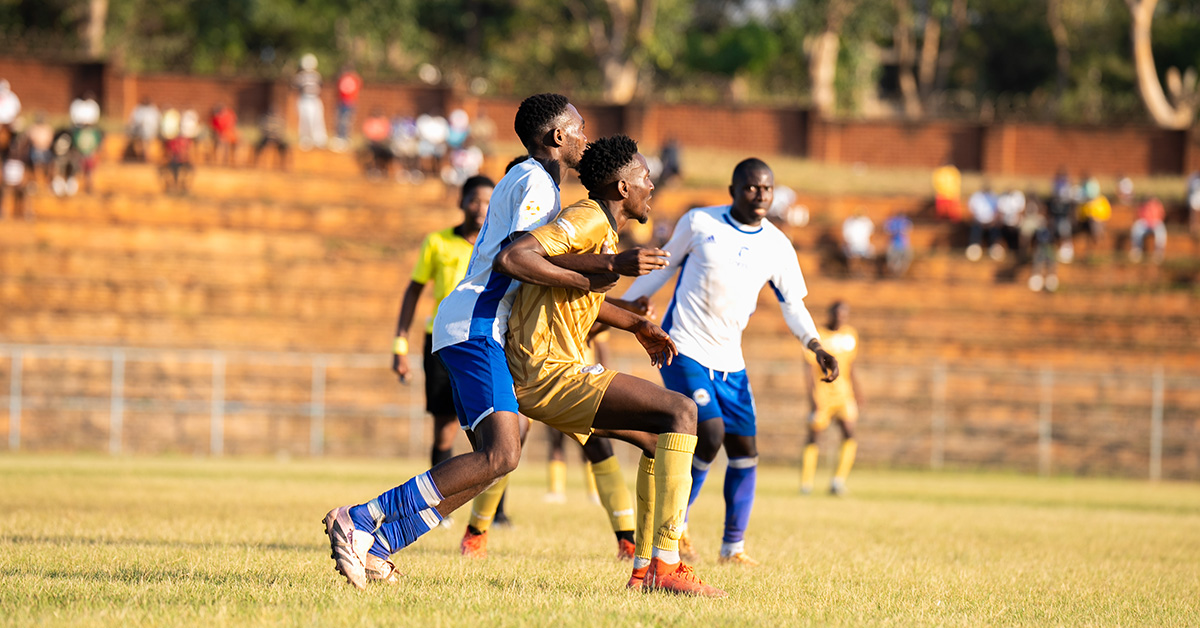
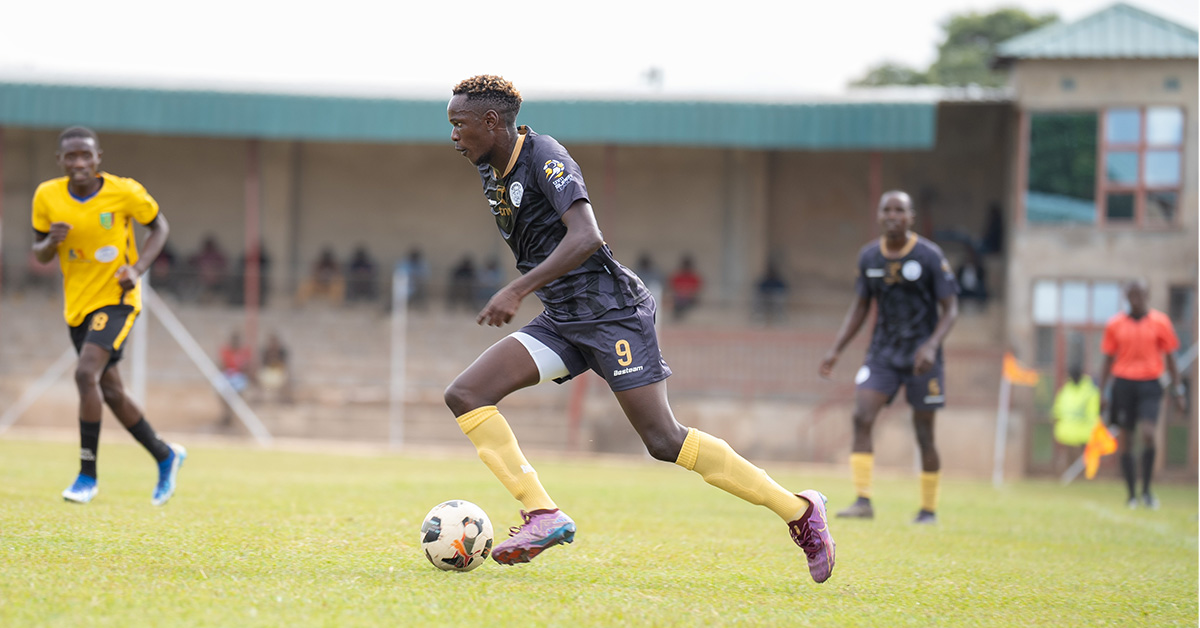
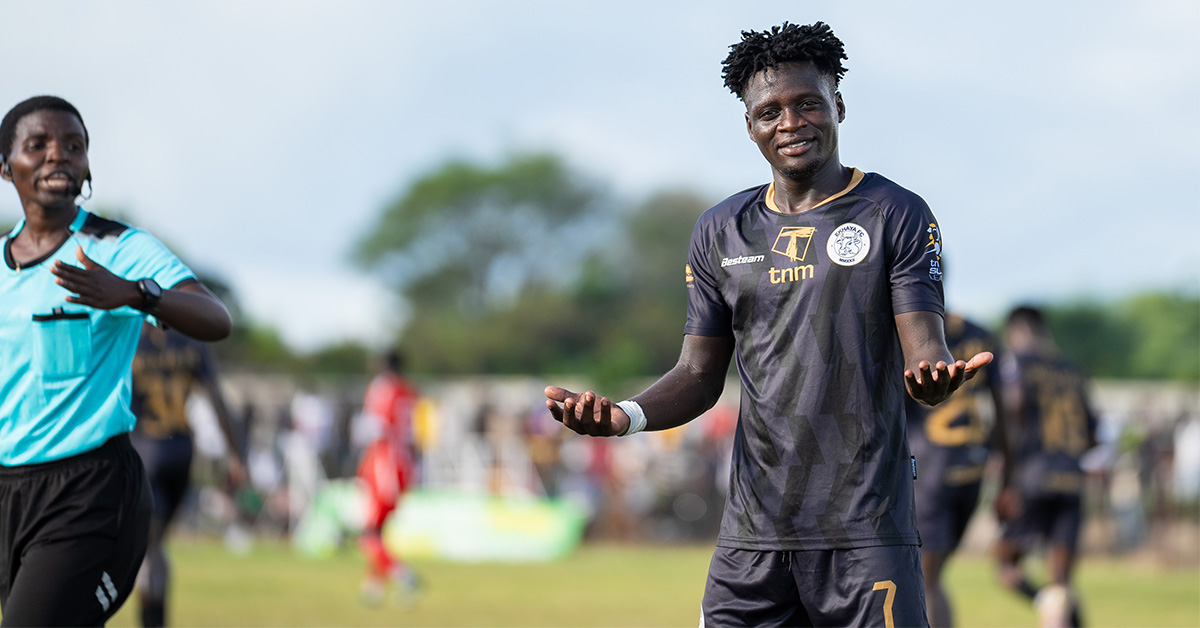
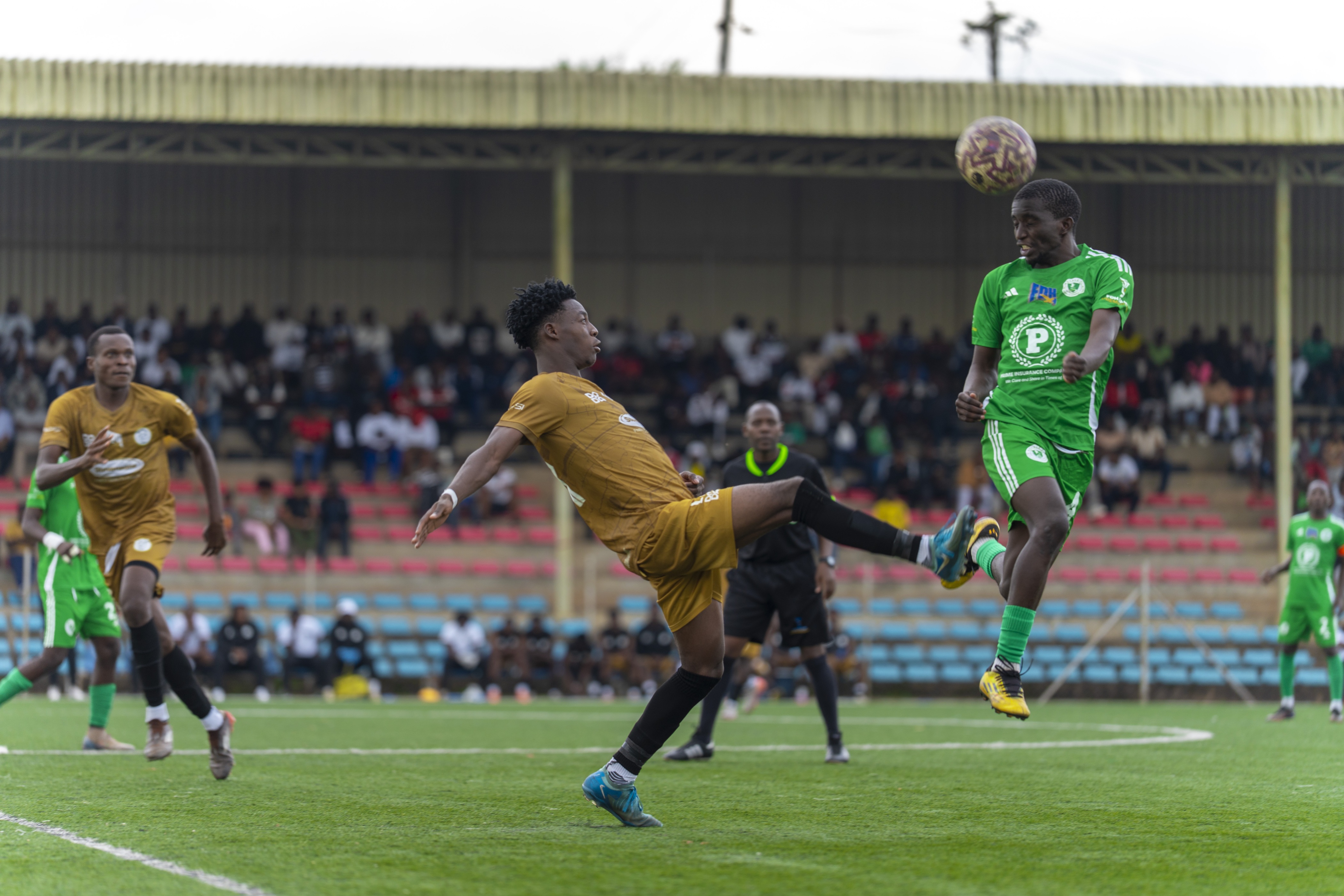
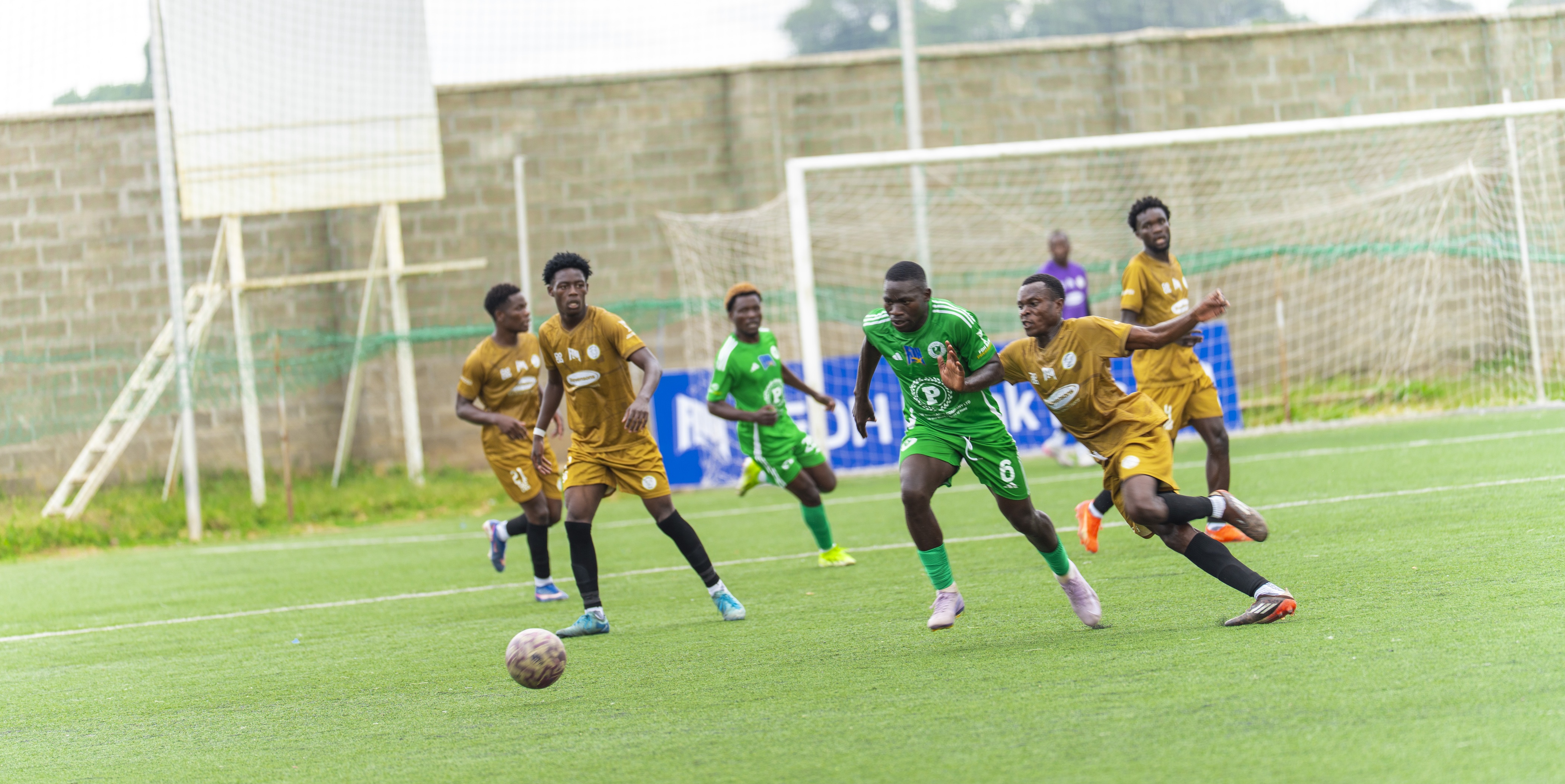
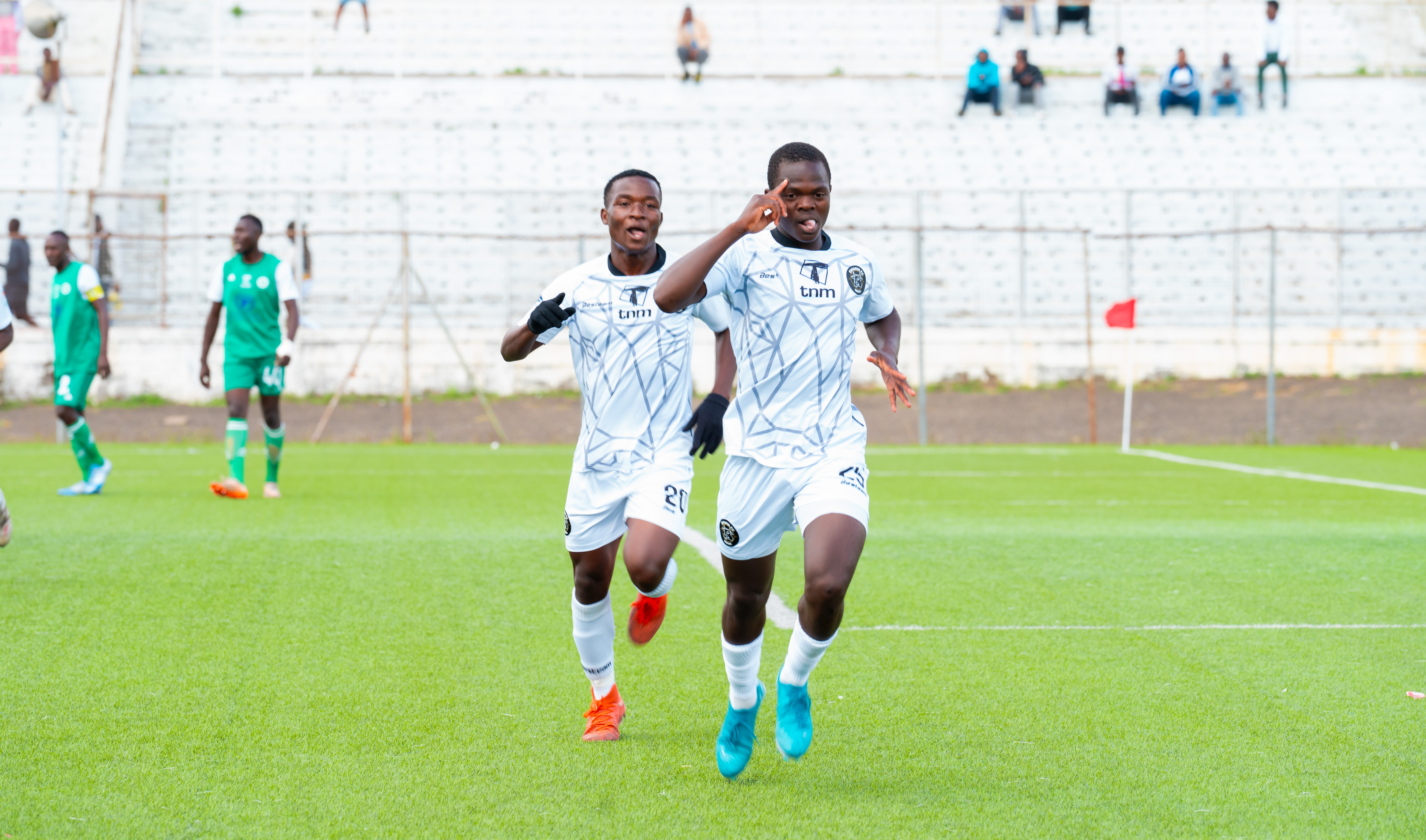
At the Mpira Stadium, here is a closer analysis of how we secured our first victory of the campaign, a 2-0 win over Moyale FC shaped by structure, midfield control, and decisive execution in key moments.
Structural control and territorial dominance
Ekhaya’s approach was built on positional discipline. In possession, the team expanded the pitch, creating width to stretch Moyale’s compact block while maintaining numerical presence centrally. This allowed for controlled circulation, drawing the visitors out before progressing into advanced areas.
Out of possession, the shape remained compact, limiting Moyale’s ability to play through the lines. The result was territorial dominance, Ekhaya dictated where the game was played.
Midfield control, Isaiah Nyirenda as the connector
The central mechanism of this control was Isaiah Nyirenda. Operating as the primary link between defence and attack, he dictated tempo and direction, consistently offering himself as an option in build-up phases. His range of passing allowed Ekhaya to switch play efficiently, particularly toward the left flank where overloads were being created.
His performance wasn’t just about distribution, it was about progression and vertical intent. His first-half effort, deflected onto the crossbar, highlighted his willingness to step beyond orchestration and influence the final phase.
Wide progression and attacking patterns
Ekhaya’s most effective route forward came through the left channel, where coordinated movement created repeated advantages. The interplay in that area forced Moyale’s defensive line to shift laterally, opening spaces both centrally and on the weak side.
This wasn’t random attacking, it was pattern-based progression, aimed at destabilizing structure before delivering into dangerous zones.
Defensive resilience, reaction over positioning
Defensively, the pairing of Captain Andrew Lameck and Mafaiti presented an interesting dynamic.
While there were moments of positional imbalance, what stood out was their reaction speed. They recovered quickly, adjusted under pressure, and dealt with second-phase situations effectively. Their performance highlighted a defensive unit capable of solving problems in real time, even when initial structure was compromised.
Goalkeeping impact, preserving control.
Clever Mkungula’s role in the clean sheet was significant from an analytical perspective.
Rather than being a passive presence, he contributed through active decision-making and alertness. His interventions came at moments where Moyale looked to build momentum, effectively resetting pressure phases. Even his reaction after the offside whistle reflected a goalkeeper operating with sustained concentration, key in maintaining defensive stability.
Final-third efficiency, Blessings Malinda’s influence
In the attacking phase, Blessings Malinda provided unpredictability and penetration.
His movement between lines created problems for Moyale’s midfield-defence connection, while his ability to carry the ball forward added a vertical dimension. Statistically, his return of 3 goals in 4 matche reflects output, but tactically, his contribution lies in how he disrupts defensive structure.
His shot off the upright and overall involvement demonstrate a player consistently operating in high-impact zones before being withdrawn late on.
Game state management
After taking the lead, Ekhaya showed improved game management. The tempo was controlled, transitions were measured, and risk was minimized without sacrificing attacking intent. The second goal came as a result of this balance, control combined with opportunism.
Conclusion: A controlled performance with tactical clarity.
This victory was not accidental, it was constructed.
Ekhaya combined positional structure, midfield authority, and individual execution to control the game across all phases. While there are areas to refine, particularly in defensive positioning, the overall display reflects a team developing clarity in identity and consistency in performance.


.jpg)